The Role of Neighborhood Associations in Fence Disputes

Neighborhood associations play a pivotal role in maintaining the harmony and aesthetic of communities. One common area of contention among homeowners is fence disputes. These disagreements can arise for various reasons, often leading to tension between neighbors. Effective resolution of these disputes is essential for preserving community relations and upholding property values. This section explores how neighborhood associations can facilitate the resolution of fence disputes through their established authority and proactive strategies.
Understanding the Association's Authority
Neighborhood associations often have the legal authority to enforce community rules and guidelines, which include regulations on fences. These authorities are typically outlined in the association’s covenants, conditions, and restrictions (CC&Rs). For instance, the CC&Rs may specify the types of materials allowed for fences, permissible heights, and placement relative to property lines. By understanding these documents, homeowners can better navigate disputes. Moreover, neighborhood associations often appoint a board or committee responsible for overseeing adherence to these guidelines. This authority enables them to mediate disputes by providing a neutral ground for discussion. When a dispute arises, the association can step in to ensure that both parties understand the established rules and work towards a resolution. For example, if two neighbors disagree over the height of a fence, the association can refer to the guidelines to determine what is permissible.
Establishing Community Standards and Guidelines
To minimize disputes before they arise, neighborhood associations should establish clear and concise community standards regarding fences. These guidelines can cover various aspects, including:
- Material Specifications: Recommendations for durable and aesthetically pleasing materials, like vinyl, wood, or wrought iron.
- Height Restrictions: Limits on fence height, often ranging from 4 to 6 feet, depending on the type of fence and its location.
- Placement Regulations: Rules on how far a fence should be set back from property lines to avoid encroachment issues.
Associations can distribute these guidelines through newsletters, community meetings, and their websites. By educating homeowners about these standards, associations reduce the likelihood of disputes. For instance, a neighborhood association might host an annual meeting where they review the guidelines and discuss any changes, allowing residents to voice concerns and suggestions.
Engaging with Homeowners Before Conflicts Arise
Proactive engagement is crucial for preventing fence disputes. Neighborhood associations can foster an environment of open communication by:
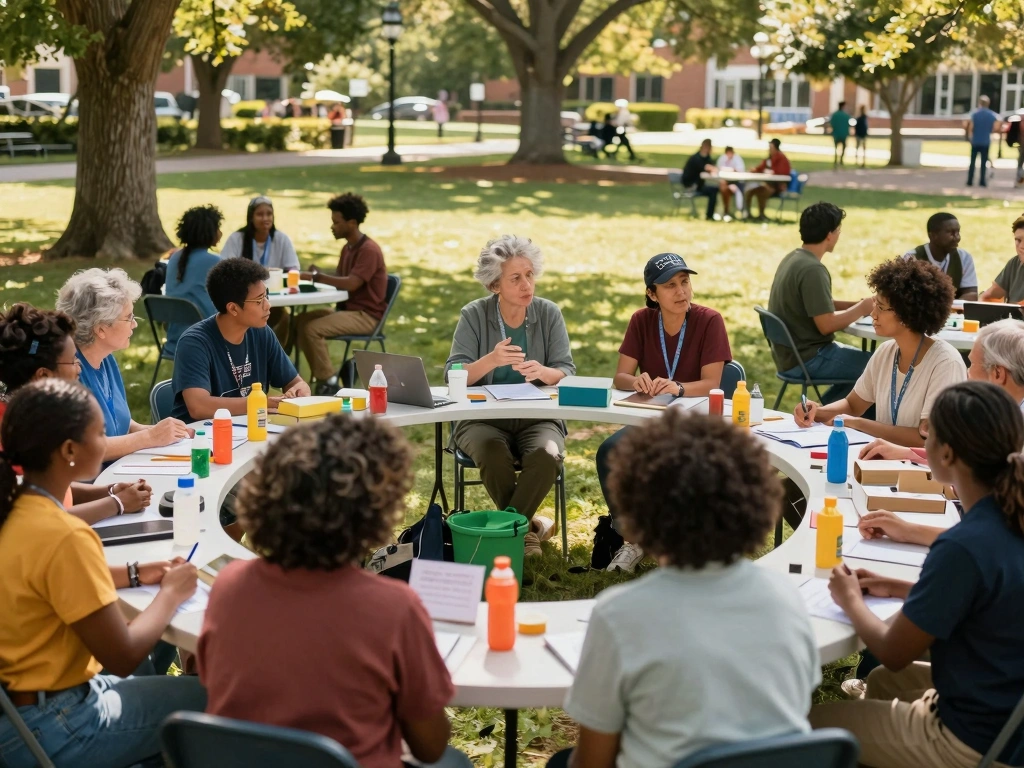
- Hosting Workshops: Organizing educational workshops on property rights, zoning laws, and fence regulations can empower homeowners with the knowledge they need.
- Creating Open Forums: Providing platforms for residents to discuss potential projects or concerns before they escalate into disputes.
- Encouraging Neighborly Dialogue: Promoting friendly interactions among neighbors, such as neighborhood picnics or forums, can build rapport and facilitate informal discussions about property boundaries.
By taking these steps, associations can help homeowners feel more comfortable addressing potential issues before they become contentious.
Common Causes of Fence Disputes in Neighborhoods
Despite prevention efforts, fence disputes still occur. Understanding the common causes can help associations better address these issues when they arise.
Property Line Misunderstandings
One of the leading causes of fence disputes is confusion over property lines. Many homeowners may not have an accurate understanding of their property boundaries, leading to accidental encroachments. For instance, a homeowner might build a fence thinking they are within their property line, only to discover that it intrudes into their neighbor's land. To avoid such misunderstandings, neighborhood associations can encourage homeowners to obtain a professional land survey before erecting fences. This ensures clarity regarding boundaries and can prevent disputes from arising in the first place.
Disagreements Over Fence Style and Height
Another common issue is disagreements over the style and height of fences. For example, one neighbor may prefer a tall, solid privacy fence, while another may desire an open picket fence for aesthetic reasons. Such differences can lead to friction, especially if one party feels that the other’s choice diminishes their property’s value or enjoyment. Neighborhood associations can help mediate these disputes by referring to established guidelines. If the guidelines allow for different styles but set height restrictions, the association can facilitate a compromise that respects both parties' preferences.
Maintenance Responsibilities and Expectations
Fence maintenance is another area where disputes can arise. Homeowners may have differing expectations about who is responsible for upkeep, especially when a fence straddles a property line. For instance, if one neighbor fails to maintain their side of a shared fence, the other may feel compelled to address the issue. Neighborhood associations can address maintenance concerns by including specific clauses in their guidelines outlining responsibilities. Clear expectations about upkeep can help avoid misunderstandings and provide a framework for resolution should disputes arise.
Dispute Resolution Processes Implemented by Associations
When disputes arise, neighborhood associations can implement various processes to facilitate resolution.
Formal Mediation Procedures
Many associations adopt formal mediation procedures as part of their conflict resolution strategy. These procedures typically involve appointing a neutral third party to facilitate discussions between the disputing parties. For example, an association might hire a professional mediator who specializes in community disputes. During the mediation process, both parties can express their concerns and work together to find a mutually acceptable solution. This structured approach often leads to more satisfactory outcomes, as it provides a safe space for open dialogue. In a case study from a suburban neighborhood association, a formal mediation session resulted in the installation of a new, jointly agreed-upon fence that included elements favored by both parties.
Informal Conflict Resolution Strategies
In addition to formal mediation, neighborhood associations often employ informal conflict resolution strategies. These may include:
- Encouraging Direct Communication: Associations can suggest that neighbors discuss their issues directly before escalating them to the board.
- Facilitating Informal Meetings: Hosting informal gatherings where neighbors can resolve disputes amicably can foster a sense of community.
- Creating Conflict Resolution Guidelines: Providing residents with a clear outline of steps to take when conflicts arise can empower them to handle disputes proactively.
By promoting informal strategies, associations can help maintain a friendly atmosphere and prevent conflicts from escalating.
Documentation and Record-Keeping Practices
Proper documentation is essential in resolving disputes effectively. Neighborhood associations should maintain thorough records of all communications, complaints, and resolutions regarding fence disputes. This documentation can serve as a reference for future cases and ensure consistency in decision-making. For example, if a neighbor repeatedly raises concerns about a fence, the association can review past records to assess whether the issue has been addressed previously. This practice not only aids in resolving current disputes but also helps establish a historical context for future reference.
Case Studies of Successful Fence Dispute Resolutions
Real-world examples can illustrate how neighborhood associations effectively resolve fence disputes.
Example of Mediation Leading to Compromise
In a suburban neighborhood, two homeowners, Jane and Mark, found themselves at odds over a newly constructed fence that Jane had built. Mark argued that the fence was too high and obstructed his view. The neighborhood association intervened and organized a mediation session. During the meeting, both parties expressed their concerns and preferences. The mediator facilitated a conversation that allowed Jane to explain her reasons for the height, which included privacy for her backyard. Mark shared his desire for an unobstructed view. Ultimately, they agreed to lower the fence by one foot and add a lattice top that permitted airflow and visibility while still providing some privacy. This compromise not only resolved the dispute but also strengthened their neighborly relationship.
Innovative Solutions from Community Meetings
Another neighborhood association faced challenges when several residents expressed dissatisfaction with an unsightly fence that bordered a communal park. Instead of allowing the issue to escalate, the association organized a community meeting to discuss potential solutions. During the meeting, residents brainstormed ideas and ultimately decided to replace the existing fence with a decorative trellis that included climbing plants. This innovative solution not only resolved the dispute but also enhanced the community's aesthetic appeal. The involvement of residents in the decision-making process strengthened their sense of ownership and pride in the neighborhood.
Lessons Learned from Failed Resolutions
Not every attempt at resolving fence disputes is successful. In one case, an association attempted to mediate a dispute between two neighbors over a fence installation without a proper understanding of the CC&Rs. The mediation failed because one party felt that their rights were not adequately considered, leading to further conflict and dissatisfaction. This case highlights the importance of associations being well-versed in their guidelines and ensuring that all parties understand their rights and responsibilities. It also underscores the necessity of involving all relevant parties in the resolution process to foster trust and transparency.
Best Practices for Neighborhood Associations
To effectively resolve fence disputes and prevent them from occurring, neighborhood associations can adopt several best practices.
Creating Clear Fence Guidelines and Policies
Establishing clear and comprehensive guidelines regarding fences is essential. Associations should regularly review and update these guidelines to ensure they reflect current community standards and homeowner preferences. Clear guidelines can prevent misunderstandings and set expectations for all residents. For example, the Sunshine Estates Neighborhood Association implemented a detailed guideline document that included diagrams of acceptable fence styles and specific height limits. By distributing this information to new homeowners, they significantly reduced the number of fence-related disputes.
Encouraging Open Communication Among Residents
Promoting open communication is critical for fostering a harmonious community. Neighborhood associations can create channels for residents to voice their concerns, ask questions, and discuss potential projects. This can be achieved through:
- Regular Newsletters: Sending out newsletters with updates and tips on maintaining good neighborly relations.
- Social Media Groups: Utilizing platforms like Facebook or Nextdoor to facilitate discussions and share information.
- Community Events: Organizing events that encourage residents to meet and engage in friendly dialogue.
By fostering a culture of communication, associations can help residents feel more connected and less likely to resort to disputes.
Training Association Leaders in Conflict Resolution
Equipping association leaders with conflict resolution skills is essential for effectively managing disputes. Training can include workshops on mediation techniques, negotiation skills, and understanding community dynamics. By empowering leaders, associations can ensure that they are prepared to handle disputes professionally and constructively. For instance, the Maplewood Neighborhood Association invested in conflict resolution training for its board members, resulting in a notable decrease in unresolved disputes. Residents reported feeling more supported and heard, leading to a stronger sense of community.
Conclusion
Neighborhood associations play a crucial role in resolving fence disputes, which can significantly impact community harmony. By understanding their authority, establishing clear guidelines, and engaging with homeowners proactively, associations can effectively mitigate conflicts. Furthermore, implementing structured dispute resolution processes and learning from both successful and unsuccessful cases enhances their capacity to maintain peaceful relations among residents. By adopting best practices, such as promoting open communication and training leaders in conflict resolution, neighborhood associations can create a supportive environment where disputes are addressed constructively. Ultimately, these efforts contribute to a thriving community where homeowners can enjoy their properties without the burden of unresolved conflicts.