

Emergence of Short-Form Vertical Drama
Defining Short-Form Vertical Content
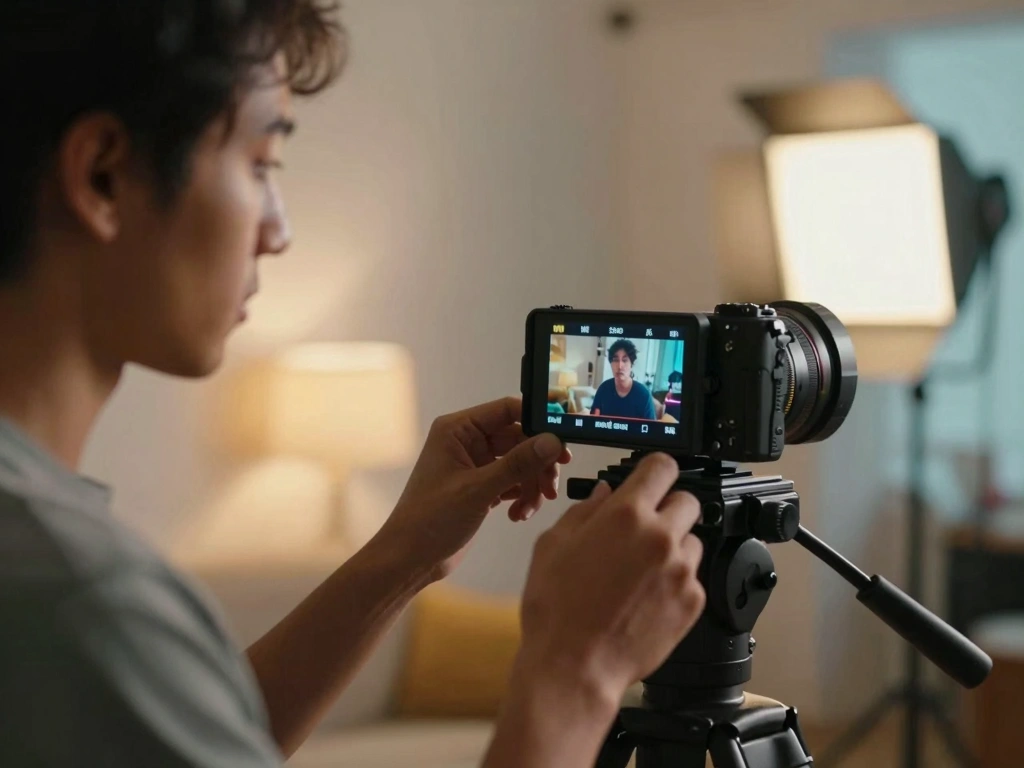
Short-form vertical drama refers to a distinct style of storytelling designed specifically for mobile consumption, typically characterized by brief episodes ranging from one to ten minutes in length. This format takes advantage of vertical video, allowing for a more immersive experience on smartphones and tablets, which have become the primary devices for media consumption among younger audiences. The storytelling is often concise, engaging, and visually dynamic, catering to the fast-paced lifestyle of today's viewers.
Historical Context and Evolution
The roots of short-form content can be traced back to platforms like YouTube and Vine, where creators honed the art of delivering engaging stories in a limited timeframe. However, the significant shift towards vertical video began with the rise of smartphones and social media platforms like TikTok and Instagram Stories. In 2016, Snapchat's introduction of Stories transformed how users interacted with content, paving the way for vertical storytelling. As streaming services began to recognize the potential of this format, platforms such as Quibi (despite its eventual failure) and more recently, Netflix's foray into short-form series, underscored a growing trend within the industry. The success of TikTok, which boasts over 1 billion active users globally, has further cemented the viability and popularity of short-form vertical content.
Key Players in the Industry
Several key players have emerged in the short-form vertical drama landscape. TikTok has become a powerhouse for creators, enabling them to produce original content that resonates with millions. Platforms like YouTube Shorts and Instagram Reels have also adapted to this trend, offering creators tools to reach audiences effectively. Streaming giants like Netflix have responded to this shift by exploring short-form content, with projects like "Love, Death & Robots," which includes episodes of varying lengths, catering to those who prefer bite-sized narratives. Additionally, platforms like Snapchat and Facebook Watch have entered the fray, investing in original vertical drama content to capture the younger demographic.
Impact on Viewer Engagement
Changing Attention Spans and Consumption Habits
As attention spans diminish, particularly among younger generations, short-form vertical drama presents a solution that aligns with new consumption habits. Studies indicate that the average attention span has decreased from 12 seconds in 2000 to just 8 seconds in recent years, making it crucial for creators to grab audiences quickly. Short-form vertical dramas can deliver compelling narratives in a format that suits the rapid-fire nature of scrolling through social media feeds. This shift towards bite-sized content has led to increased viewer engagement, with users more likely to watch multiple episodes in a single sitting, thereby enhancing overall watch time.
Innovative Storytelling Techniques
Creators of short-form vertical dramas have begun to experiment with innovative storytelling techniques that cater specifically to this format. The use of cliffhangers, rapid pacing, and visually striking cinematography are common strategies employed to keep viewers invested. For instance, the popular TikTok series "The 2 Jakes" utilizes humor and relatable scenarios to create engaging narratives that resonate with the platform's audience. This emphasis on visual storytelling, combined with quick cuts and dynamic editing, enhances the viewing experience and encourages viewers to share content, leading to organic growth in popularity.
Utilization of Social Media Platforms
Social media platforms have become vital in promoting and distributing short-form vertical dramas. TikTok and Instagram not only serve as platforms for creators to showcase their work but also allow for community interaction and feedback. Creators can engage with audiences directly through comments and live streams, fostering a sense of community that further enhances viewer loyalty. Additionally, cross-platform promotion has become essential; for example, a series launched on TikTok may gain traction through Instagram Reels, thereby reaching a broader audience. This interconnected ecosystem amplifies the visibility of short-form dramas, making them a staple in the streaming culture.
Challenges and Opportunities for Creators
Adapting Traditional Narratives to a Shorter Format
One of the most significant challenges faced by creators is the need to adapt traditional narrative structures to fit the constraints of short-form content. The classic three-act structure may need to be reimagined to deliver a satisfying story arc in a fraction of the usual time. Successful shows like "Ruthless" on YouTube, which tells a gripping story in short episodes, exemplify how creators can innovate within these constraints. However, this challenge also presents opportunities for experimentation, allowing creators to explore new genres and storytelling methods that resonate with modern audiences.
Maintaining Quality in a Compressed Timeline
While the demand for short-form content is on the rise, maintaining quality can be a daunting task. The pressure to create engaging narratives quickly can lead to rushed productions, which may compromise the overall impact of the story. However, many creators have risen to the occasion, employing efficient production techniques and leveraging technology to enhance quality. For instance, using advanced editing software like Adobe Premiere Pro and Final Cut Pro allows creators to produce high-quality content quickly, ensuring that the finished product meets audience expectations.
Emerging Talent and Diverse Voices
The rise of short-form vertical drama has opened doors for emerging talent and diverse voices in the entertainment industry. With lower production costs and the ability to reach audiences directly through social media, aspiring creators from various backgrounds have the opportunity to showcase their work. Initiatives like the "TikTok Creator Fund" and programs from other platforms aim to support underrepresented voices, providing resources and funding to help them succeed. This democratization of content creation not only enriches the landscape but also ensures a broader range of perspectives and stories are told.
Monetization Strategies for Short-Form Content
Advertising and Sponsorship Models
As short-form vertical drama continues to gain traction, monetization strategies are evolving. Advertising and sponsorship models have become integral to the success of creators and platforms alike. For example, TikTok's partnership with brands allows creators to incorporate products into their content seamlessly, providing an additional revenue stream. Sponsored content has proven effective, with brands recognizing the value of reaching younger audiences through engaging narratives. According to a report by eMarketer, digital video ad spending is expected to surpass $61 billion by 2025, indicating a lucrative market for short-form content creators.
Subscription Services and Revenue Implications
Subscription services are also adapting to the rise of short-form vertical dramas. Platforms like Netflix and Hulu are exploring ways to incorporate short episodes into their libraries, enticing subscribers with exclusive content. The potential for subscription revenue is significant, especially as audiences crave diverse viewing options. A report from Deloitte showed that 38% of consumers expressed interest in short-form series from their favorite streaming platforms, highlighting the demand for this type of content. As a result, streaming services are likely to invest more in original short-form programming to capture and retain subscribers.
Potential for Viral Marketing and Cross-Promotion
The viral nature of short-form content presents unique marketing opportunities for creators and brands. The ability for a 30-second clip to gain millions of views overnight can catapult a series into the spotlight, increasing its reach exponentially. Cross-promotion strategies, such as leveraging trending topics or collaborating with popular influencers, can enhance visibility and drive audience engagement. For instance, the success of the TikTok series "The Hype House" highlights how viral marketing can create a cultural phenomenon, resulting in increased viewership and revenue for the creators involved.
The Future of Streaming with Vertical Drama
Predictions for Industry Trends
As the demand for short-form vertical drama continues to grow, several industry trends are likely to emerge. Firstly, traditional streaming platforms may begin to prioritize short-form content in their programming, recognizing its potential to attract and retain subscribers. Additionally, collaborations between brands and content creators will likely become more prevalent, as brands seek to capitalize on the engagement that short-form content can generate. Finally, the integration of user-generated content into streaming platforms may blur the lines between professional and amateur content, leading to a more diverse media landscape.
Integration with Interactive and Immersive Experiences
The future of short-form vertical drama may also involve the integration of interactive and immersive experiences. As technologies like augmented reality (AR) and virtual reality (VR) become more accessible, creators may explore ways to engage audiences beyond traditional storytelling. Platforms like Netflix have already experimented with interactive content, such as "Black Mirror: Bandersnatch," which allows viewers to make choices that affect the storyline. This trend could be extended to short-form content, creating a more dynamic viewing experience that keeps audiences engaged and invested.
Long-Term Cultural Shifts in Media Consumption
The rise of short-form vertical drama signals a long-term cultural shift in media consumption. As audiences increasingly favor quick, digestible content over traditional long-form narratives, the entertainment landscape will continue to evolve. This shift may lead to a reevaluation of how stories are told and consumed, with a greater emphasis placed on visual storytelling and audience interactivity. As streaming services adapt to these changes, the future of entertainment may be defined by the very principles that have made short-form vertical drama a success: accessibility, engagement, and innovation.